
We are playing a collaborative storytelling game. Much of the play lies in understanding another person’s position, and deciding what we are prepared to do about it. If we abandon every uncertainty to the dice, we spend our time reinterpreting whatever they produce, trying to make a tale out of it afterwards. “The dice are telling the story tonight” can mean the GM has handed some of his responsibilities to a few pieces of metal rolling around a table. Chance has its place, but we still have to decide what deserves to be left to chance.
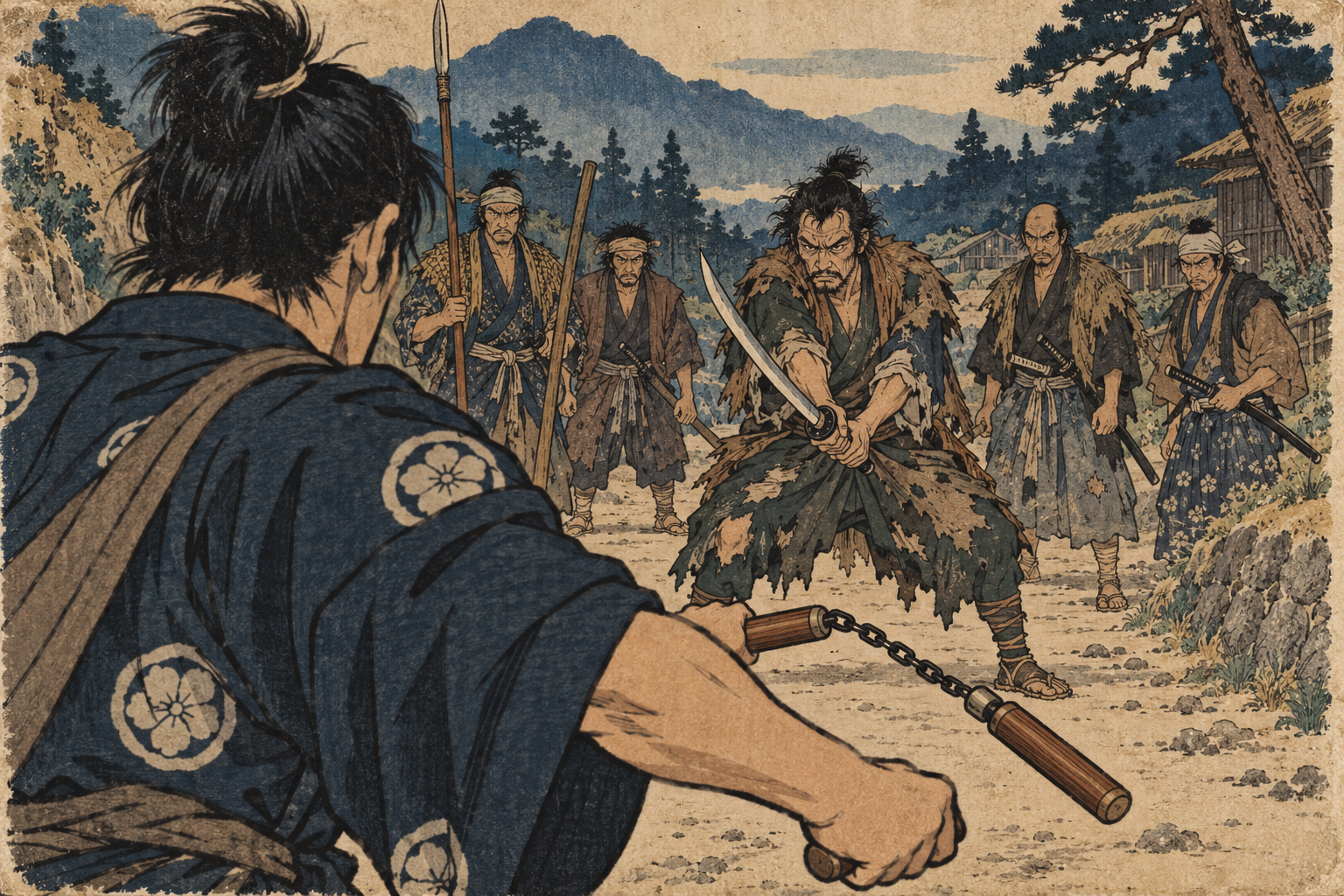
There does come a point when the dice should matter. We have spent weeks telling this story together, sometimes agreeing, sometimes reluctantly following somebody else’s decision, investing time and emotional energy in the people and places we have imagined. Then we arrive at an obstacle we cannot talk our way around, or one we have chosen to meet with violence. If you want to go further, you are going to have to get your blade out. At that moment, we are gambling with the story we have written so far. We have brought the characters to a situation in which their intentions can no longer guarantee the outcome, and now we must find out what those intentions will cost.
The work for the GM and the players is to build the stakes until that gamble has an emotional weight.
The roll matters because of what might be lost, what might be preserved, and what the character has committed himself to doing. The GM needs to let that uncertainty stand, too. Once we have agreed to gamble, we must allow the outcome to change the tale. Otherwise, all that careful positioning and all those dangerous choices become a performance whose ending has already been settled.
This is our shootout at the end of the Western, or the meeting of blades at the end of a samurai tale. We can talk about what the Western took from Kurosawa, but the hero’s tale belongs to more than one tradition. These stories bring people to a place where drawing a weapon seems capable of settling a moral conflict that ordinary society would pass through judges, officials, witnesses and competing claims.
In Bushido, we can bring those institutions into the scene and watch their authority fail, until somebody must act without the protection of a settled answer. The fight may settle who survives and whose intentions prevail. What those actions mean remains ours to tell. That is where the dice belong: at the point where the story we care about has made the gamble worth taking.