
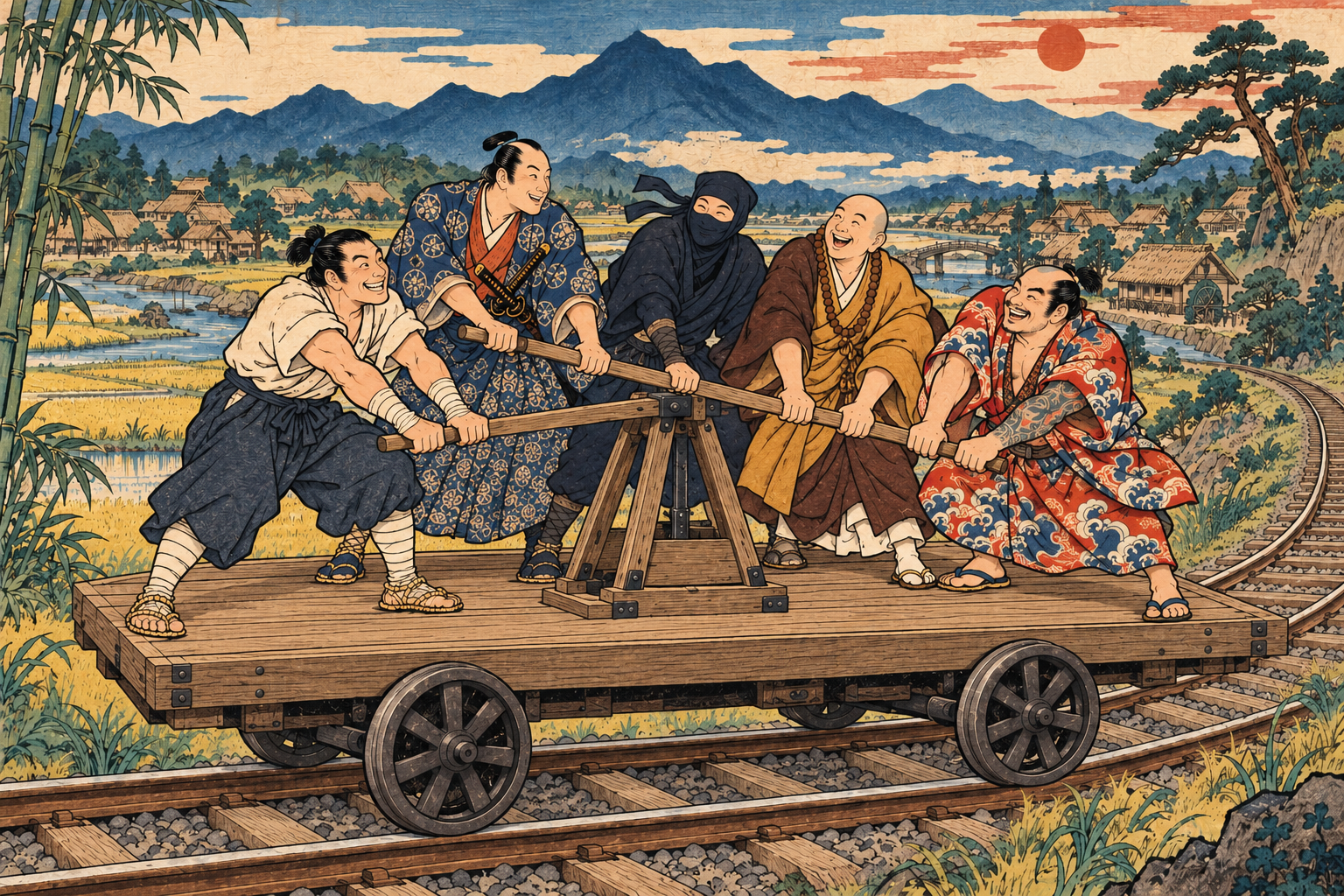
We have to experience free will; we do not have to be free to do it. Characters enter a scene already shaped by designs and circumstances their players have not entirely chosen. The GM can bring those forces to bear, making an obligation felt or a possibility suddenly compelling. That scene is a node within the story.
When we strip an adventure down to the bare minimum of events it would present at a series of these nodes. The narrative that connects the nodes would be the story.
What matters is that the players understand the position presented, by the node and their part to play, well enough to act within it. That their response changes what follows. They may have little control over how the moment arrives, yet still experience the decision as their own. The can, if they choose, exit stage left of the gms carefully laid plot and wander off the map. The story told by the nodes may continue but the players part in that story is done.
But taking a well used vernacular, it would be a dick move for the players to disresepct the story that way; and equally one for the gm to constrain the players such that the experience of freedom vanishes.
Experiencing freedom whilst telling the story is arguably the greater joy of role playing games. It is to the authors mind that quality of a table top role playing game, which distinguishes it from its ever more complex machine cousins.
So the nodes exist, they are most likely to occur if the story is framed well, and it is for the group to try to tell the story within that framework, and explain their charatcters journey within it.
If a story takes a different life, the gm will occaisionally need a re write. A skilled gm interacting with skilled players doesnt often need this. Or can make it seem so.