
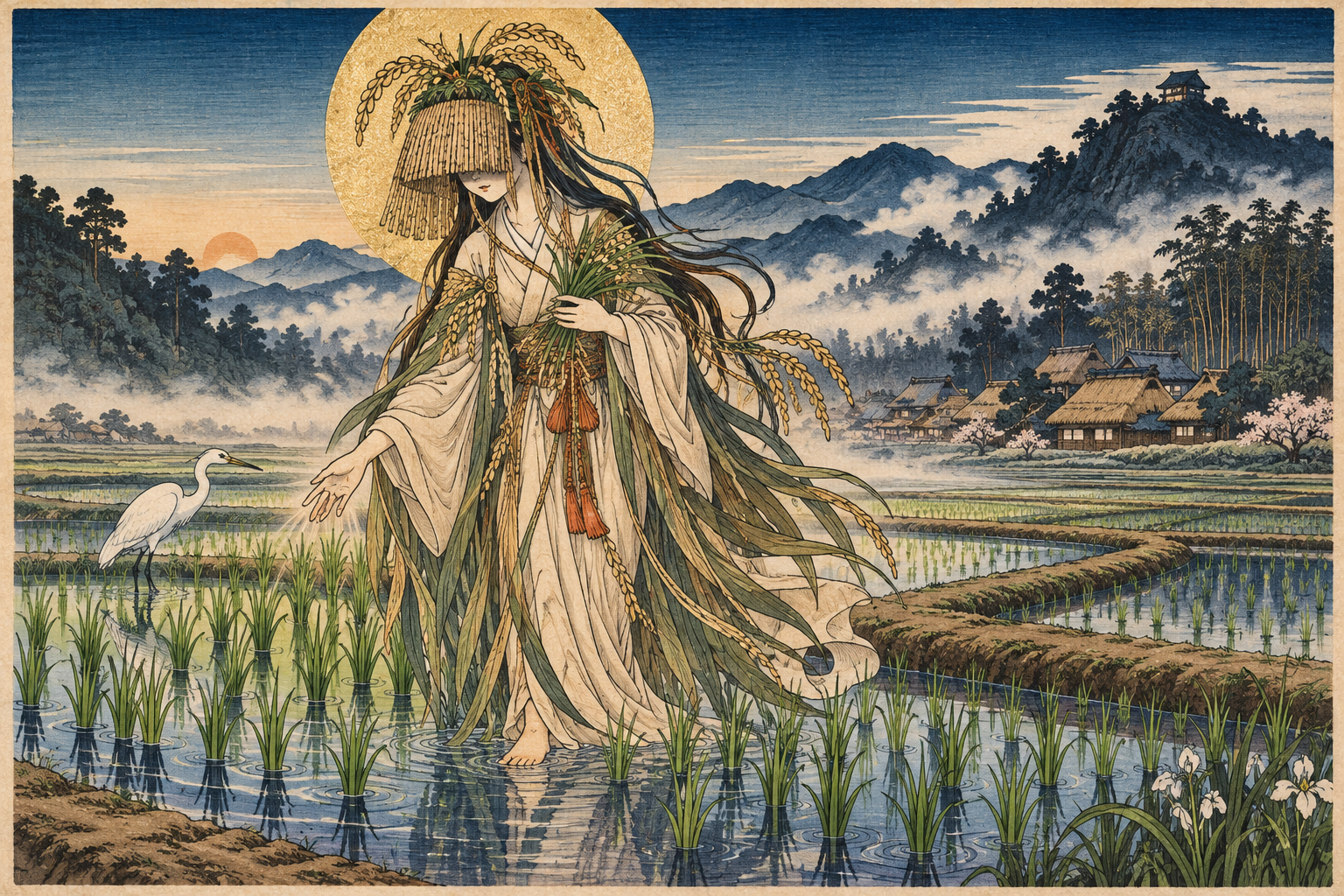
A god appearing at a shrine proves its presence, but leaves open why it deserves worship, whether its demands are just, and who may speak in its absence. Power can compel obedience without earning devotion; a blessing can reward a bargain without endorsing a priesthood. Nor does one god’s testimony settle the claims of another, especially where their interests conflict. Temples and rulers must still turn encounters into doctrines, favours into precedents, and particular acts into lasting authority—each step offering room for ambition, misunderstanding and fraud. The sacred becomes a demonstrable presence, while the legitimacy claimed through it remains thoroughly contestable.
So, where gods answer and magic works, spiritual coin remains a disputed currency. A miracle establishes that something has acted; it does not establish who acted, what they intended, or how much authority their intermediary possesses. Institutions seeking legitimacy through the sacred must therefore defend their interpretation of divine power as well as their access to it.
The independent practitioner makes this difficulty immediate. Their power may be undeniable while their standing remains precarious. A temple can credit them by witnessing their rites, examining their teaching and admitting them to an established tradition; recognition also places obligations around their gift. To discredit them, it need not deny the miracle. It can challenge its source, expose a concealed bargain, question whether the spirit has authority beyond its own locality, or argue that the practitioner has mistaken permission for a mandate. The independent faces the reverse problem: accepting recognition may secure trust while surrendering the freedom that made their message troublesome.
Spiritual coin consequently gathers around witnesses, reputation and the interpretation of consequences.
Who was healed, who paid, what followed, and whose account survives? A lord may sponsor a gifted outsider to weaken an inconvenient monastery; villagers may defend a medium whose protection they have experienced against priests whose credentials they have only heard recited.
For the game, the sharpest conflict begins when the power is real and its meaning remains unsettled. The players must decide whether a successful rite earns trust, whether an institution’s judgement deserves obedience, and how far anyone may spend the credit of a god who has spoken once.