
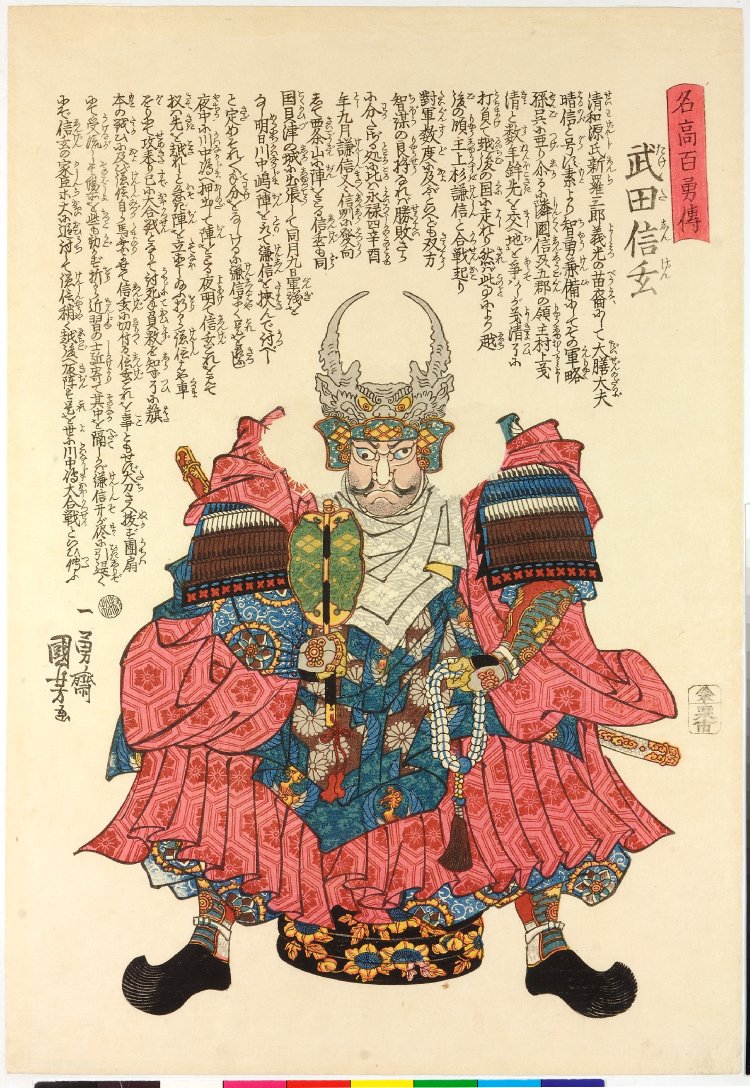
A daimyō sits at the centre of a network of households, land rights and obligations. His power depends on people who collect his revenues, hold his castles and bring armed followers when summoned.
For the late-sixteenth-century setting, the structure looks roughly like this:
| Position | Their role and source of power |
|---|---|
| The daimyō and his household | Decide policy, distribute land and rewards, arrange marriages and succession. Relatives can govern districts, but also become rival claimants. |
| Senior retainers and councillors | Advise the lord and oversee military affairs, finances and negotiations. Their influence rests on service, family standing and their own followers. |
| Local landed warriors and castle holders | Control particular territories and strongpoints. They supply troops and revenue, often retaining considerable freedom over local affairs. |
| Administrators and magistrates | Manage accounts, assessments, disputes, markets and public works. These duties may overlap with those of military retainers. |
| Lesser samurai and military followers | Serve within the lord’s household or under his retainers. Their immediate loyalty may belong to the man who supports them. |
| Village headmen and village communities | Organise cultivation, irrigation, tax contributions and labour. They possess the local knowledge needed to make the lord’s demands work. |
Alongside this structure sit powers the daimyō must negotiate with: temples and shrines, merchants and creditors, neighbouring lords, and influential local families.
They control religious standing, money, supplies, routes or allegiances that he needs. Marriage, patronage, guarantees and hostages help bind these relationships together.
The crucial point is that a senior retainer may have a smaller version of this whole structure beneath him: his own household, warriors, lands and village connections. Removing him can mean losing everything he brings. A daimyō therefore balances rewarding powerful servants against allowing them to become indispensable.
For the Iga setting, this gives us overlapping authorities. A village might owe revenue to one samurai, follow another family’s leadership in war, and recognise a temple’s rights over nearby woodland.
The daimyō’s order enters that web of obligations; who carries it out, and on what terms, becomes the politics of the scene.